When Is the Best Season to See North York, ON?
North York, Ontario is one of the most practical places to start a trip in the City of Toronto and the Greater Toronto Area. It sits close to key transit routes, key neighbourhoods, and a wide range of local attractions, but the ideal time to visit depends on what kind of visit you want. Weather patterns in North York shift clearly through the year, with seasonal temperatures shaped by the broader GTA and the Lake Ontario influence that affects nearby Toronto. That means trip timing can change everything from your packing list to your plans for outdoor activities, shopping, and sightseeing.
If you are doing travel planning for North York, it helps to think about ease, crowds, and transit access at the same time. Some visitors want warm weather and long days for discovering parks and museums. Others prefer quieter shoulder months, when hotel rates are often easier on the budget and local attractions are less crowded. The right season can also matter for homeowners and longer-stay guests, since humidity, cold weather, and seasonal maintenance issues can affect property protection and even pest control North York needs.
North York’s Climate at a Glance
North York has a humid continental climate, which means it brings clear seasonal contrast. Summers are hot and often sticky, while winters bring freezing weather, snow from the lake, and the occasional sharp temperature drop. In between, spring thaw and fall foliage create some of the pleasantest travel windows of the year.
Toronto weather patterns shape the experience here, but North York’s inland position can make conditions feel a little different from the waterfront. The Lake Ontario influence still matters, especially for humidity, cloud cover, and snowfall variability across the Greater Toronto Area. You can get mild sunshine one day and a brisk, wet change the next, so flexible visitor tips are useful year-round.
In practical terms, the biggest climate factors are seasonal temperatures, precipitation, average rainfall, and average snowfall. Spring often brings rain showers and melting snow. Summer can be hot enough for outdoor activities but also sticky because of high humidity. Fall usually feels fresh and scenic, while winter can range from easy to handle to intense depending on freeze-thaw cycles and snow bursts. Those swings are part of the reason North York rewards travellers who plan ahead.
Top Periods to Visit North York
The most suitable time comes down to your priorities. Spring and September and October are usually the most even for pleasant weather and lighter crowds. The summer months is best for open-air activities and long sightseeing days, while winter is ideal if you enjoy indoor attractions, shopping, and a quieter pace.

Springtime in North York
The spring season is a wonderful time for visitors who want gentle temperatures and a more relaxed tourist feel. In North York, the season starts with spring thaw, which can make sidewalks damp and parks muddy, but it also brings the city back to life after winter. As the snow melts, trees and gardens begin to open up, and local neighbourhoods feel more active.
Light rain are common in spring, so an umbrella and waterproof shoes are practical additions to your packing layers. Because freeze-thaw cycles can still happen, mornings may feel chilly even when afternoons are pleasant. This is a good season for enjoying indoor-outdoor combinations such as the Aga Khan Museum, then heading to nearby green spaces when the weather cooperates.
For visitors who like moderate weather and smaller crowds, spring is often one of the most comfortable shoulder months. It is also a useful time for travel planning if you want decent rates without the peak tourist season pressure of summer.
The summer season in North York
Warm months brings hot weather, longer daylight, and the best conditions for outdoor activities. North York’s parks, gardens, and cultural spaces are easier to enjoy when the temperature rises and the city feels energetic. This is the time for walking tours, picnic breaks, patio dining, and simple neighbourhood exploring.
That said, summer humidity can be quite noticeable across Toronto and the GTA. Warm, sticky air can make some days feel hotter than the thermometer suggests, especially when you are moving between transit stops or spending time outdoors. Lightweight clothing, sunscreen, and water are essential.
Summer is also the liveliest period for many local attractions and shopping destinations. Yorkdale Shopping Centre tends to be popular for indoor comfort and retail browsing, while Edward Gardens and other green spaces draw visitors looking for scenery and fresh air. If you are focused on outdoor activities, summer is the easiest season to fill your itinerary. If you prefer quieter streets and lower hotel rates, you may want to avoid the main peak tourist season dates.
Autumn in North York
Fall is among the most attractive times to visit North York. Fall colours make neighbourhood streets, parks, and gardens appear especially inviting, and the weather often feels steady enough for full days out. Cool evenings arrive, so you may want a sweater or jacket, but daytime conditions are often perfect for sightseeing.
Crowds usually thin out after summer, which can make local attractions feel more relaxed. This is useful if you want a less crowded experience at museums or shopping centres without the pressure of high season. The crisp air also makes walking between transit stops and attractions feel easier than in humid months.
For many travellers, fall is the sweet spot. You still get good weather for exploring, but you avoid the hottest humidity and some of the busiest crowd periods. If your travel planning includes photos, scenic walks, and a more local pace, fall is hard to beat.
Winter in North York
Winter in North York is defined by snowfall, cold snaps, and frequent temperature changes. Some stretches feel manageable, especially when roads are cleared and transit is running smoothly. Other times, lake and inland weather interactions across the GTA can produce heavier snow or icy conditions. The result is a season that rewards preparation.
Winter is a strong choice for travellers who prefer indoor attractions and urban convenience. Museums, restaurants, shopping centres, and performance venues become the focus. It is a good time to enjoy the Toronto Centre for the Arts, browse Yorkdale Shopping Centre, or spend a full day moving through indoor spaces without worrying too much about the cold.
If you do travel in winter, plan carefully for road conditions and possible delays. North York can still be very accessible, especially along the TTC subway network, but winter weather can affect walking times and connections. Warm boots, insulated outerwear, and extra layers are essential.
Month-by-month Weather Breakdown
While exact conditions vary from year to year, North York’s month-by-month weather displays a familiar seasonal pattern. Temperatures climb steadily in spring, with highs and lows both moving upward, reach their highest point in midsummer, then fall through autumn into a cold winter. Rain tends to be frequent from spring into fall, while snowfall turns into an important factor from late fall into early spring.
The coldest months are generally January and February, with average lows well below freezing and regular average snowfall. March can still have a winter feel, but the first signs of spring thaw often appear. April and May tend to deliver gentler afternoons, though rain and dampness remain common. June through August delivers the warmest average highs, but humidity can make some days feel warmer than expected.
The months of September and October are especially attractive because the temperature is often comfortable, rainfall can be manageable, and fall foliage adds a visual bonus. November marks the transition to colder air, with the chance of early snow. December usually brings a return to winter patterns, including snow, ice, and shorter days.
If you are deciding when to book based on climate, focus less on a single month and more on the kind of weather experience you want. For the most well-rounded planning, late spring and early fall are often the most reliable shoulder months. If you prefer warmth and lively streets, summer is the most vibrant option. For calm city time and indoor sights, winter can still be worthwhile.
Visitor Guidance for Visiting North York
North York is easy to navigate if you understand its transit access and weather realities. The TTC subway, especially the Yonge-University line, is one of the biggest advantages for visitors. Major hubs like Sheppard-Yonge make it straightforward to move between North York and central Toronto without relying entirely on a car.
If you plan to use public transit, plan around your route before the weather turns bad. A short walk to the station feels easy in spring or fall, but can be less appealing during cold weather, heavy rain, or snow. Allow extra time during rush periods, especially if you are transferring between subway and surface routes.
Packing tips matter more than many visitors expect. In spring and fall, packing layers helps you adapt to changing temperatures during the day. In summer, choose breathable clothing and something light for air-conditioned indoor spaces. In winter, add thermal layers, gloves, and footwear with solid traction. Because Toronto weather patterns can shift quickly, it is smart to get ready for a mix of conditions rather than just the forecast.
Road conditions are another issue, especially for visitors driving from elsewhere in Ontario. In winter, snow and ice can slow traffic, while freeze-thaw cycles can create wet, slushy surfaces even after a storm passes. In summer, congestion can build around shopping and entertainment districts. If you are staying near a transit corridor, you may find it simpler to leave the car behind and use public transit for most trips.
Attractions Nearby by Season
North York has a great blend of heritage, retail, and parks, so there is an activity for everyone in all seasons. The best attraction often depends on the weather.
Spring: Edwards Gardens is particularly inviting once the snow has melted and the grounds begin to wake up. It is a nice destination for a calm walk and a first look at the season’s growth. Spring is also a smart time to visit the Aga Khan Museum if the weather is still unsettled and you want a reliable indoor option.
Summer: Outdoor activities are easier to enjoy, and the longer daylight makes it more convenient to combine several stops in one day. The Toronto Centre for the Arts can pair well with a summer evening outing, while Yorkdale Shopping Centre offers a cool indoor break during hot afternoons.
Fall: This is an ideal period for scenic outings, especially if you enjoy autumn colours. Edwards Gardens and nearby neighbourhood parks can be especially appealing, and the lighter crowds make museum visits more enjoyable. The Aga Khan Museum is also a smart seasonal pick when you want a balance of culture and comfort.
Winter: Indoor attractions become the main draw. The Toronto Centre for the Arts, the Aga Khan Museum, and Yorkdale Shopping Centre all work well when snowfall or cold snaps make outdoor plans less appealing. If you want a seasonal history feel, Black Creek Pioneer Village is also worth considering, especially when you want a more immersive local experience tied to the area’s heritage.
Because North York sits within Toronto and the GTA, you can also head elsewhere with ease if the weather changes. That flexibility is one reason the area works so well for brief stays and longer stays alike.
When to Book Hotels and Flights
The timing of your booking can have a significant effect on value. During high season, especially in summer and around big events, hotel rates often increase and availability can tighten. If your dates are flexible, you may find better options in the shoulder season or during shoulder months when demand is steadier.
For many travellers, the best option comes in late spring or early fall. These periods often combine comfortable weather, moderate crowds, and more budget-friendly hotel rates. If you are visiting for business, family events, or a relaxed city break, those windows are usually easier to plan around than the peak tourist season.
Flights into Toronto can also be more predictable outside the busiest travel periods. If your schedule allows, compare rates for weekdays and avoid major holiday spikes. North York’s transit access makes it easy to stay without a car, which can save money and reduce stress once you arrive.
As a rule, book earlier if you are travelling in summer or during holiday periods, and be more flexible if you are targeting shoulder season savings. The most attractive travel planning strategy is often to match your dates to the weather you want and the crowd level you can tolerate.
Climate Factors Regarding Home and Real Estate Visitors
Not all traveller to North York is simply here briefly. Some are staying in condo rentals, visiting family homes, or managing property during seasonal changes. In those cases, weather impacts more than clothing and sightseeing. It can also affect humidity levels, indoor comfort, and property maintenance needs.
Warm, humid months can increase seasonal pest activity, which is why pest control North York becomes more relevant in spring and summer. Urban pests are more active when temperatures rise and food sources are easier to find. For homeowners, landlords, and long-stay guests, that means property protection should be part of seasonal maintenance rather than an afterthought.
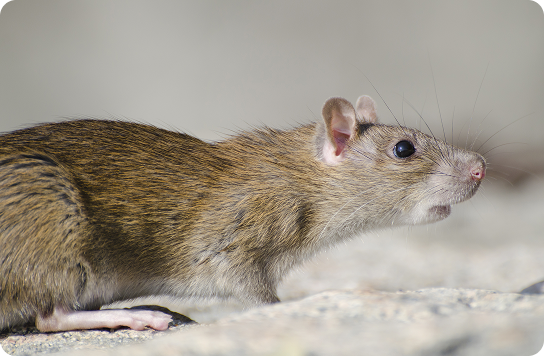
Humidity can also affect indoor spaces, especially in older homes or properties with inconsistent ventilation. If you are visiting family or staying in a rental, it is worth checking for signs of moisture, entry points, or routine maintenance issues. Small steps like keeping windows screened, sealing gaps, and storing food properly can reduce the chance of unwanted visitors.
In colder months, the concern shifts. Freeze-thaw cycles can create cracks, leaks, and other maintenance issues that may allow pests or moisture to enter later. Even if winter seems less active for pests, it is still a good time to think about prevention. A seasonal maintenance mindset helps protect the property year-round, especially in residential neighbourhoods where conditions can vary from one block to the next.
For that reason, weather awareness and pest control North York go hand in hand. If you are planning a visit in warmer or wetter weather, it is smart to stay alert to property conditions and take simple prevention steps. That kind of preparation makes the stay more comfortable and supports long-term property protection.
FAQ

What is the best month to visit North York, ON?
For many https://mississauga-onbr409.opalvector.com/posts/how-to-properly-remove-a-wasp-nest-in-north-york travellers, May, September, and early October are the best months to visit North York, ON. These shoulder months often bring comfortable seasonal temperatures, manageable crowds, and a good balance between indoor and outdoor activities. If you want the warmest weather, July and August are also strong choices, though humidity can be higher.
Is summer time or autumn better for going to North York?
That depends on what matters most to you. Summer is better for higher temperatures, more daylight, and outside activities. Fall can be better if you want fall colours, chillier nights, and fewer crowds. When it comes to comfort overall, many visitors prefer fall because the weather is often more manageable than the summer humidity.
How cold does North York get in winter?
North York can get quite cold in winter, with periods of sudden cold spells and regular snowfall. Temperatures can dip far below freezing, especially in January and February. If you are visiting then, plan for freezing weather, frozen walkways, and the chance of delays from snow or road conditions.
What should I pack for a trip to North York?
Pack according to the season, but always be ready for changing weather patterns. In spring and fall, packing layered clothing is the smartest approach. In summer, bring breathable clothing, sunscreen, and something for humidity. In winter, pack a warm coat, gloves, a hat, insulated boots, and extra layers for comfort around transit access points and outdoor walks.
Does pest control North York matter more in certain seasons?
Yes. pest control North York is especially important in hotter and moister months, when seasonal pest activity tends to go up. Spring thaw, summer humidity, and damp conditions can all encourage urban pests around homes and rentals. Property maintenance and prevention are important year-round, but they matter most when the weather is mild and pests are active.